Namaste
Hindu mantras for
daily practice.
Mantras for your daily practice.
Read the words, understand their meaning,
and take one chant at a time.
Find a mantra
Follow your devotion, an occasion, or an intention.
 1 prayer
Annapurna
View prayers
Annapurna
View prayers 2 prayers
Ayyappa
View prayers
Ayyappa
View prayers 10 prayers
Durga
View prayers
Durga
View prayers- Namaste SharanyeStrength & courage
- Sarva Mangala MangalyeStrength & courage
- Ya Devi SarvabhuteshuStrength & courage
- Om Dum Durgayai NamahStrength & courage
- Aigiri NandiniStrength & courage
- Devi Kavach: Nine DurgasStrength & courage
- Devi Gayatri MantraStrength & courage
- Durga SaptashlokiStrength & courage
- Argala StotramStrength & courage
- Shri Devi StutiDevotion & peace
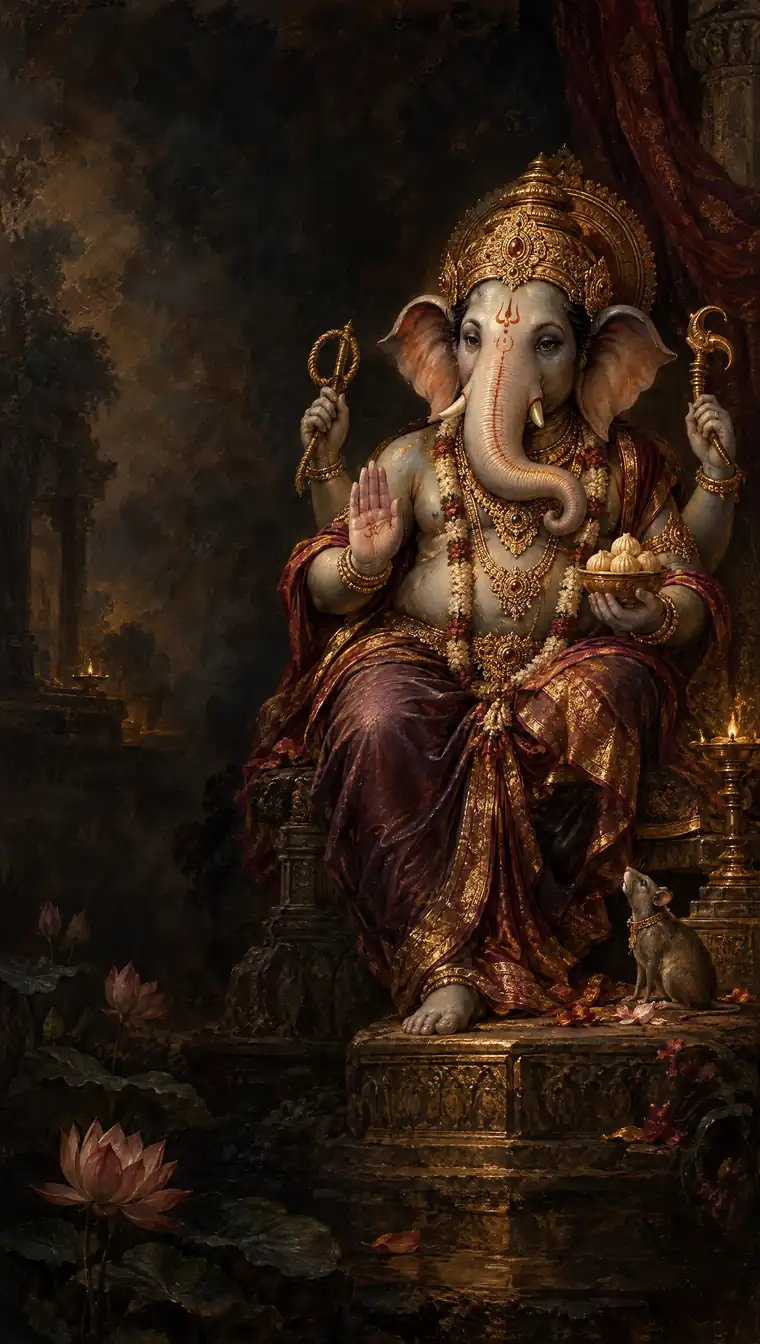
4 prayersGanesh
View prayers
Ganesh
View prayers 1 prayer
Gayatri
View prayers
Gayatri
View prayers 4 prayers
Hanuman
View prayers
Hanuman
View prayers 2 prayers
Kali
View prayers
Kali
View prayers 5 prayers
Krishna
View prayers
Krishna
View prayers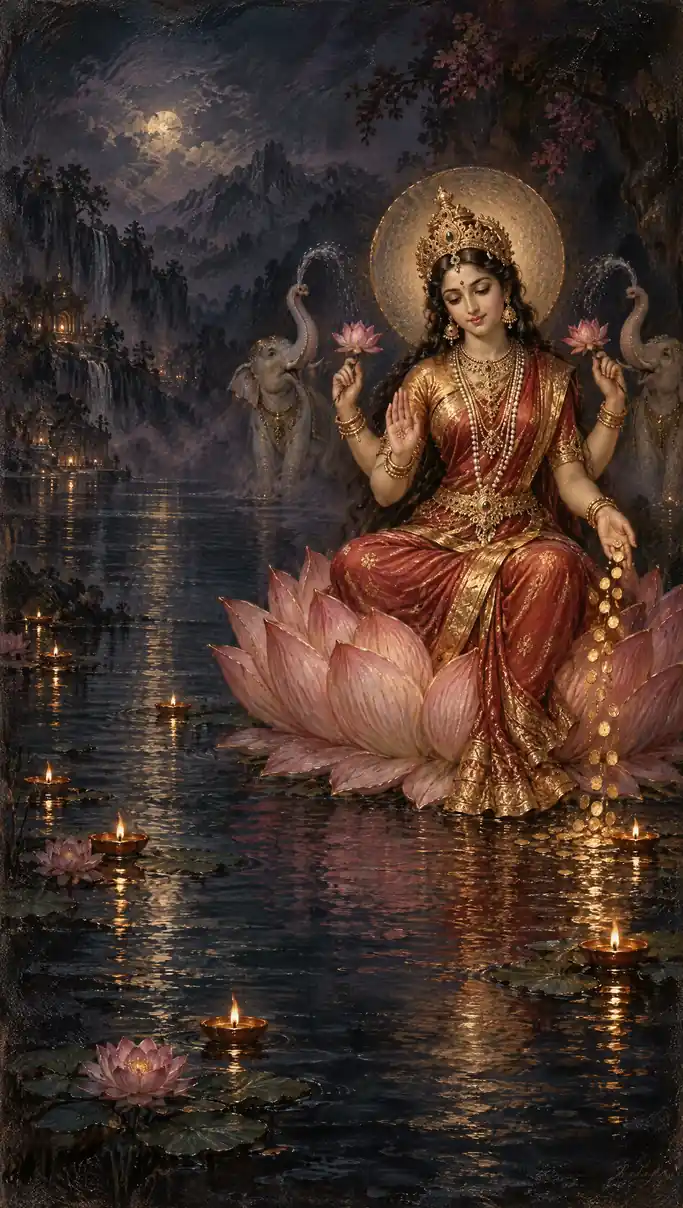 5 prayers
Lakshmi
View prayers
Lakshmi
View prayers 2 prayers
Murugan
View prayers
Murugan
View prayers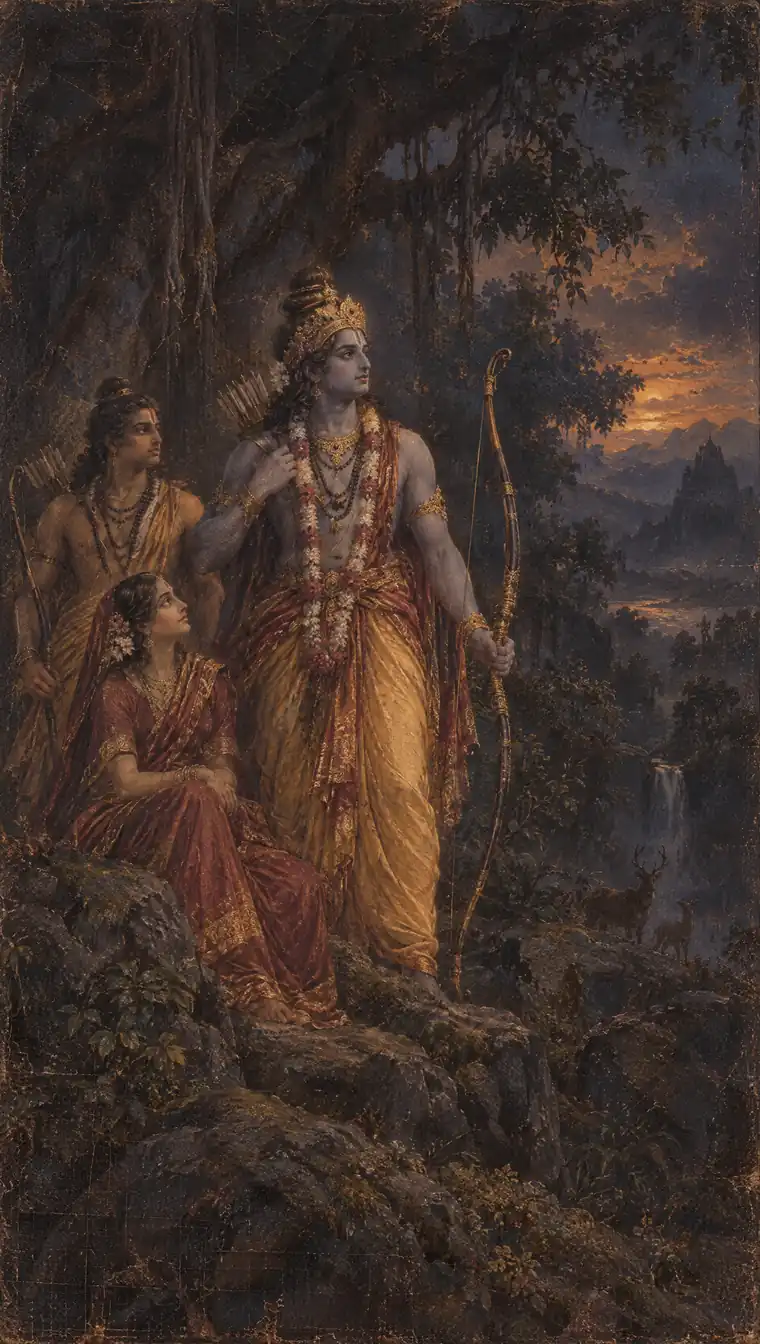 2 prayers
Rama
View prayers
Rama
View prayers 3 prayers
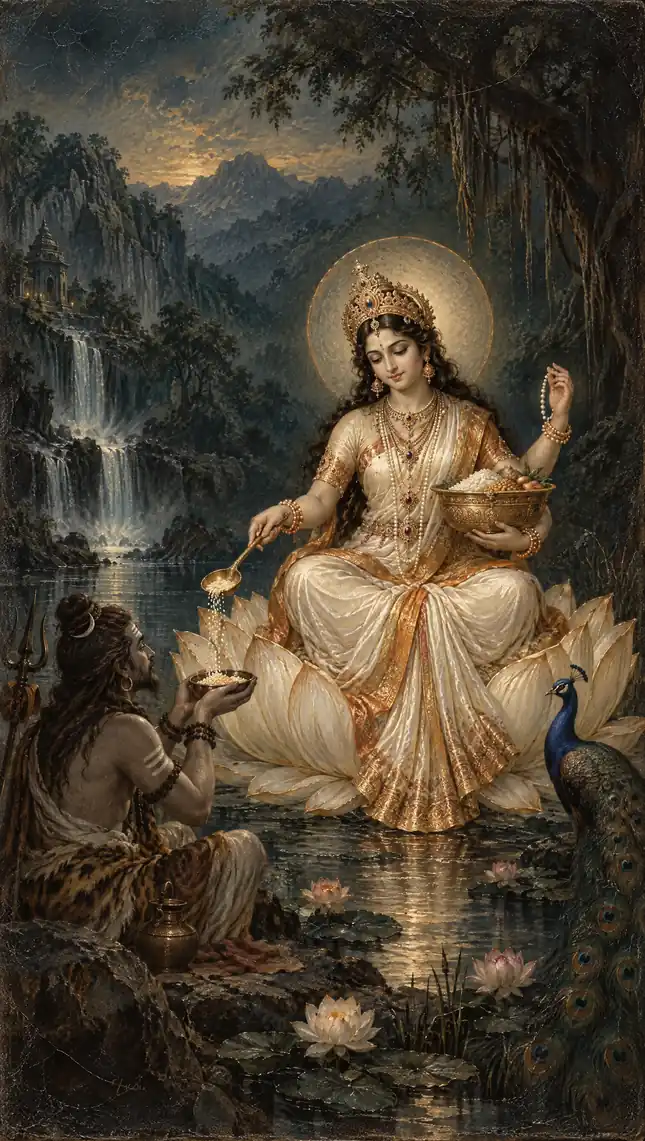
Saraswati
View prayers
Saraswati
View prayers 6 prayers
Shiva
View prayers
Shiva
View prayers 8 prayers
Vishnu
View prayers
Vishnu
View prayers- Om Namo NarayanayaDevotion & peace
- Om Vishnave NamahDevotion & peace
- Vishnu Gayatri MantraWisdom & learning
- Shantakaram BhujagashayanamStrength & courage
- Mangalam Bhagavan VishnuProsperity & devotion
- Dhanvantari MantraStrength & courage
- Achyuta Ananta GovindaDevotion & peace
- Hayagriva JnananandamayamWisdom & learning
January to December. Months are approximate; lunar dates and regional observances vary.
- Mid-January · Makara Sankranti
Makaravilakku
2 prayers - January–February · Thai month
Thaipusam
2 prayers - January–February
Vasant Panchami
3 prayers - March–April
Chaitra Navratri
11 prayers- Aigiri NandiniStrength & courage
- Ya Devi SarvabhuteshuStrength & courage
- Sarva Mangala MangalyeStrength & courage
- Devi Kavach: Nine DurgasStrength & courage
- Shree SuktamProsperity & devotion
- Devi Gayatri MantraStrength & courage
- Durga SaptashlokiStrength & courage
- Argala StotramStrength & courage
- Shri Devi StutiDevotion & peace
- Namaste SharanyeStrength & courage
- Om Dum Durgayai NamahStrength & courage
- March–April · Chaitra observance
Hanuman Jayanti
4 prayers - May–June · Jyeshtha observance
Gayatri Jayanti
1 prayer - July–August · Shravana Purnima
Gayatri Jayanti (Shravana tradition)
1 prayer - August–September
Ganesh Chaturthi
4 prayers - September–October
Sharad Navratri & Durga Puja
16 prayers- Aigiri NandiniStrength & courage
- Ya Devi SarvabhuteshuStrength & courage
- Sarva Mangala MangalyeStrength & courage
- Devi Kavach: Nine DurgasStrength & courage
- Shree SuktamProsperity & devotion
- Devi Gayatri MantraStrength & courage
- Durga SaptashlokiStrength & courage
- Argala StotramStrength & courage
- Shri Devi StutiDevotion & peace
- Saraswati MantraKnowledge & wisdom
- Namaste SharanyeStrength & courage
- Saraswati NamastubhyamWisdom & learning
- Om Dum Durgayai NamahStrength & courage
- Saraswati Gayatri MantraWisdom & learning
- Om Kreem Kalikayai NamahStrength & courage
- Jayanti Mangala KaliStrength & courage
- October–November
Diwali & Lakshmi Puja
9 prayers- ShuklambaradharamWisdom & learning
- Lakshmi Kshira SamudraProsperity & devotion
- Vakratunda MahakayaWisdom & learning
- Om Gan Ganapataye NamahNew beginnings
- Ganesh Gayatri MantraWisdom & learning
- Om Shreem Mahalakshmyai NamahProsperity & devotion
- Namastestu MahamayeProsperity & devotion
- Lakshmi Gayatri MantraProsperity & devotion
- Shree SuktamProsperity & devotion
- October–November · Diwali new moon
Kali Puja
2 prayers - October–November
Skanda Sashti
2 prayers - November–December · 41-day vow
Sabarimala Mandala Season
2 prayers
Calendar references: festival month guide, Drik Panchang, and Gita Jayanti in Kurukshetra. Check your local panchang for this year’s dates.
Choose an intention for your practice.
25 prayersStrength & courage
View prayers
Strength & courage
View prayers- Mahamrityunjay MantraCourage & liberation
- Namaste SharanyeStrength & courage
- Manojavam MarutatulyavegamStrength & courage
- Buddhir BalamStrength & courage
- Shantakaram BhujagashayanamStrength & courage
- Om Namah ShivayaStrength & courage
- Sarva Mangala MangalyeStrength & courage
- Ya Devi SarvabhuteshuStrength & courage
- Om Dum Durgayai NamahStrength & courage
- Om Ham Hanumate NamahStrength & courage
- Aigiri NandiniStrength & courage
- Devi Kavach: Nine DurgasStrength & courage
- Devi Gayatri MantraStrength & courage
- Durga SaptashlokiStrength & courage
- Argala StotramStrength & courage
- Om Kreem Kalikayai NamahStrength & courage
- Jayanti Mangala KaliStrength & courage
- Swamiye Saranam AyyappaStrength & courage
- Bhutanatha SadanandaStrength & courage
- Om Saravana BhavaStrength & courage
- Skanda Gayatri MantraStrength & courage
- Dhanvantari MantraStrength & courage
- Jayatyatibalo RamoStrength & courage
- Mrityunjaya Samputita MantraStrength & courage
- Apadam ApahartaramStrength & courage
14 prayersWisdom & learning
View prayers
Wisdom & learning
View prayers- Gayatri MantraLight & clarity
- Saraswati MantraKnowledge & wisdom
- ShuklambaradharamWisdom & learning
- Saraswati NamastubhyamWisdom & learning
- Jyotirmatra Shiva StotraWisdom & learning
- Manojavam MarutatulyavegamStrength & courage
- Buddhir BalamStrength & courage
- Vishnu Gayatri MantraWisdom & learning
- Vakratunda MahakayaWisdom & learning
- Ganesh Gayatri MantraWisdom & learning
- Saraswati Gayatri MantraWisdom & learning
- Skanda Gayatri MantraStrength & courage
- Hayagriva JnananandamayamWisdom & learning
- Jayatyatibalo RamoStrength & courage
29 prayersPeace of mind
View prayers
Peace of mind
View prayers- Gayatri MantraLight & clarity
- Mahamrityunjay MantraCourage & liberation
- Om Krishnaya VasudevayaDevotion & peace
- Namaste SharanyeStrength & courage
- ShuklambaradharamWisdom & learning
- Lakshmi Kshira SamudraProsperity & devotion
- Sri Krishna VandanaDevotion & peace
- Jyotirmatra Shiva StotraWisdom & learning
- Bilva StutiDevotion & peace
- Buddhir BalamStrength & courage
- Om Namo NarayanayaDevotion & peace
- Om Vishnave NamahDevotion & peace
- Vishnu Gayatri MantraWisdom & learning
- Shantakaram BhujagashayanamStrength & courage
- Om Namah ShivayaStrength & courage
- Karpura GauramDevotion & peace
- Hare Krishna Maha MantraDevotion & peace
- Om Namo Bhagavate VasudevayaDevotion & peace
- Sarva Mangala MangalyeStrength & courage
- Namastestu MahamayeProsperity & devotion
- Durga SaptashlokiStrength & courage
- Shri Devi StutiDevotion & peace
- Jayanti Mangala KaliStrength & courage
- Swamiye Saranam AyyappaStrength & courage
- Dhanvantari MantraStrength & courage
- Achyuta Ananta GovindaDevotion & peace
- Mrityunjaya Samputita MantraStrength & courage
- Shayana PrarthanaDevotion & peace
- Rukmini Vallabha MantraNew beginnings
54 prayersDevotion & gratitude
View prayers
Devotion & gratitude
View prayers- Gayatri MantraLight & clarity
- Mahamrityunjay MantraCourage & liberation
- Om Krishnaya VasudevayaDevotion & peace
- Saraswati MantraKnowledge & wisdom
- Namaste SharanyeStrength & courage
- ShuklambaradharamWisdom & learning
- Lakshmi Kshira SamudraProsperity & devotion
- Saraswati NamastubhyamWisdom & learning
- Sri Krishna VandanaDevotion & peace
- Jyotirmatra Shiva StotraWisdom & learning
- Bilva StutiDevotion & peace
- Manojavam MarutatulyavegamStrength & courage
- Om Namo NarayanayaDevotion & peace
- Om Vishnave NamahDevotion & peace
- Vishnu Gayatri MantraWisdom & learning
- Shantakaram BhujagashayanamStrength & courage
- Mangalam Bhagavan VishnuProsperity & devotion
- Om Namah ShivayaStrength & courage
- Karpura GauramDevotion & peace
- Vakratunda MahakayaWisdom & learning
- Om Gan Ganapataye NamahNew beginnings
- Ganesh Gayatri MantraWisdom & learning
- Hare Krishna Maha MantraDevotion & peace
- Om Namo Bhagavate VasudevayaDevotion & peace
- Sarva Mangala MangalyeStrength & courage
- Ya Devi SarvabhuteshuStrength & courage
- Om Dum Durgayai NamahStrength & courage
- Om Shreem Mahalakshmyai NamahProsperity & devotion
- Namastestu MahamayeProsperity & devotion
- Lakshmi Gayatri MantraProsperity & devotion
- Om Ham Hanumate NamahStrength & courage
- Saraswati Gayatri MantraWisdom & learning
- Aigiri NandiniStrength & courage
- Devi Kavach: Nine DurgasStrength & courage
- Shree SuktamProsperity & devotion
- Devi Gayatri MantraStrength & courage
- Durga SaptashlokiStrength & courage
- Argala StotramStrength & courage
- Shri Devi StutiDevotion & peace
- Om Kreem Kalikayai NamahStrength & courage
- Jayanti Mangala KaliStrength & courage
- Swamiye Saranam AyyappaStrength & courage
- Bhutanatha SadanandaStrength & courage
- Om Saravana BhavaStrength & courage
- Skanda Gayatri MantraStrength & courage
- Annapurna MantraProsperity & devotion
- Dhanvantari MantraStrength & courage
- Achyuta Ananta GovindaDevotion & peace
- Hayagriva JnananandamayamWisdom & learning
- Jayatyatibalo RamoStrength & courage
- Mrityunjaya Samputita MantraStrength & courage
- Shayana PrarthanaDevotion & peace
- Apadam ApahartaramStrength & courage
- Rukmini Vallabha MantraNew beginnings
8 prayersNew beginnings
View prayers
New beginnings
View prayers- Saraswati MantraKnowledge & wisdom
- ShuklambaradharamWisdom & learning
- Saraswati NamastubhyamWisdom & learning
- Mangalam Bhagavan VishnuProsperity & devotion
- Vakratunda MahakayaWisdom & learning
- Om Gan Ganapataye NamahNew beginnings
- Ganesh Gayatri MantraWisdom & learning
- Rukmini Vallabha MantraNew beginnings
8 prayersProsperity & abundance
View prayers
Prosperity & abundance
View prayers- Lakshmi Kshira SamudraProsperity & devotion
- Mangalam Bhagavan VishnuProsperity & devotion
- Om Shreem Mahalakshmyai NamahProsperity & devotion
- Namastestu MahamayeProsperity & devotion
- Lakshmi Gayatri MantraProsperity & devotion
- Shree SuktamProsperity & devotion
- Annapurna MantraProsperity & devotion
- Apadam ApahartaramStrength & courage
1 prayerFood & nourishment
View prayers
Food & nourishment
View prayers4 prayersHealth & well-being
View prayers
Health & well-being
View prayers2 prayersConfidence & clear speech
View prayers
Confidence & clear speech
View prayers2 prayersStudy & exams
View prayers
Study & exams
View prayers2 prayersProtection & reassurance
View prayers
Protection & reassurance
View prayers1 prayerRestful sleep
View prayers
Restful sleep
View prayers1 prayerMarriage & companionship
View prayers
Marriage & companionship
View prayersA guide to your daily practice with Mantra Mandir
Mantra Mandir brings sacred words, clear explanations and a simple counting tool into one place. You can open a prayer, choose a familiar script, read its meaning and begin at your own pace. Whether you return to the same verse every morning or explore a prayer for the first time, the aim is to make the page easy to follow. There is no account to create and no complicated setup before you begin.
Choose a prayer that feels familiar
Start with the links above or browse the collection by deity, festival or intention. Each route leads to individual prayer pages, where the text and practice guidance stay together. The intention categories describe devotional themes, such as wisdom, courage and gratitude. They help you explore the collection without having to know every prayer by name. You can also move between related pages when you want to continue reading after a session.
Gayatri Mantra
The Gayatri Mantra page presents the familiar invocation alongside its transliteration and explanations. Use the Gayatri Mantra lyrics to follow each line with the accompanying English gloss, then explore the Gayatri Mantra meaning below the verse. The page also introduces its traditional connection with Savitr and the prayer for illumination of understanding. If this is already part of your routine, you can go directly to the text and use the counter as you recite. If it is new to you, begin by reading slowly.
Mahamrityunjay Mantra
Open the Mahamrityunjay Mantra page to read the prayer associated with Lord Shiva. Its wording, explanation and guidance appear together, so you can reflect on the verse before beginning repetition. The site provides a place for devotional practice without promising particular health outcomes. You can follow the displayed lines, pause whenever you need to, and count a complete recitation with a single tap. Your pace remains your own throughout the session.
Om Krishnaya Vasudevaya Haraye Paramatmane Mantra
The Om Krishnaya Vasudevaya Haraye Paramatmane Mantra page brings together the prayer to Krishna and an explanation of its words of reverence and surrender. The complete displayed verse continues beyond the opening phrase, allowing you to read it as a whole. Compare the Sanskrit with the Roman text when you want help following the sequence. Before counting a repetition, finish the full prayer shown on the page, including its closing salutation to Govinda.
Saraswati Mantra
The Saraswati Mantra page features the prayer beginning Ya Kundendu, with its imagery and meaning explained beside the text. It offers a quiet place to reflect on learning, wisdom and reverence for Goddess Saraswati. Read the whole prayer first, then return to individual lines that you would like to understand more closely. The script tabs make it possible to keep the same prayer open while changing how you read its words.
Read in a script you can follow
Choose Sanskrit for Devanagari, Transliteration for the Roman rendering, or Hinglish for a simplified reading aid. The English explanation beside each line helps connect the words with their meaning. A fuller explanation appears beneath the verse. These views support reading and familiarity; simplified spelling cannot communicate every detail of Sanskrit pronunciation. For pronunciation or a particular tradition of recitation, learn from a knowledgeable teacher and use the written page as a companion to that instruction.
Use the 108 mantra counter
The circular mala display has 108 beads. After completing the prayer, press the counting button once to mark a repetition. Each tap advances the display, and completing the circle records a mala. You can also stop after a smaller number according to the guidance for your chosen prayer. The counter is a practical aid, not a requirement to finish 108 repetitions every time you visit. Read any specific instructions before deciding how long to practise.
Return to your saved practice
Your progress is stored in the browser you are using. When you return on the same device and browser, the site can show your saved count and a link to your recent prayer. Your preferred script is remembered too. This makes it easier to continue without registering or signing in. Saved progress does not automatically transfer between devices, and clearing browser storage can remove it. Use the reset control when you want to begin a fresh count.
Understand the sources and instructions
The mantras are drawn from published devotional sources and the books and teachings of respected pandits and spiritual teachers. Source notes and links are included where available. Individual pages distinguish the displayed text, its meaning and the guidance for practice. Where a source gives a specific count, time or additional instruction, that information appears with the prayer. Excerpts are identified so you know what is included. Read these notes when comparing versions or choosing a routine, since wording and practice can differ between published sources and traditions.
Make space for a manageable routine
Choose a quiet moment, settle comfortably and read with attention. You might begin with a few recitations and gradually find a rhythm that fits your day. Keep the meaning in mind rather than rushing to finish the counter. Mantra Mandir keeps the words and tools close at hand, leaving you free to focus on the prayer you have chosen.
Frequently asked questions
How do I use Mantra Mandir?
Choose a prayer by deity, festival or intention. Read its text and meaning, select a familiar script, and press Count a chant after each complete recitation. No account is required.
Where can I read Gayatri Mantra and Mahamrityunjay Mantra?
Both prayers have dedicated pages linked from the homepage. Each includes Sanskrit text, Roman transliteration, a Hinglish reading aid, meanings and guidance for practice.
Can I read the Krishna and Saraswati prayers in Hindi?
The Om Krishnaya Vasudevaya Haraye Paramatmane Mantra and Saraswati Mantra pages display the Sanskrit prayers in Devanagari, the script also used for Hindi. Hindi explanations accompany the Sanskrit view, and English meanings appear beside each line.
How does the 108 mantra counter work?
Press Count a chant once after reciting the complete prayer displayed on the page. Each press marks one bead. At 108 repetitions, a completed mala is saved and the counter starts a new round. You can stop at a smaller count according to your practice.
Will my chant count be saved?
Your count and completed malas are saved in the current browser when browser storage is available. Return on the same device and browser to continue. Progress does not sync between devices and may be lost if you clear browser storage.
How do I clear my saved practice?
Use the cross button beside Continue where you left off to erase the displayed prayer’s saved count and completed malas and dismiss the reminder. Other prayers keep their progress. Reset count on an individual prayer page clears only its current count.
Where do the mantras and practice instructions come from?
The collection draws on published devotional sources and the books and teachings of pandits and spiritual teachers. Individual pages include source notes, references and links where available. Read the guidance for each prayer, since wording and instructions can vary between traditions.